
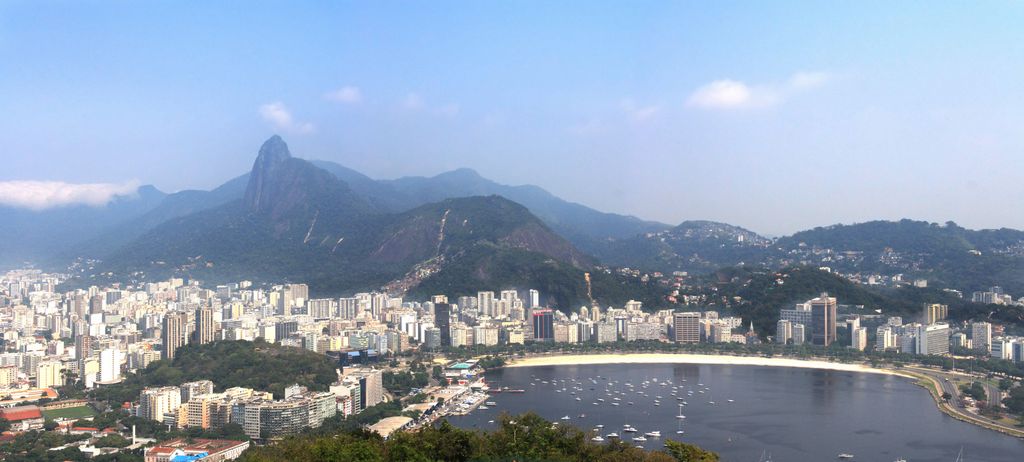
In Rio de Janeiro IBM has set up a central data center to
monitor everything from weather to traffic patterns in a program called Smarter Cities. This allows for precision
control of things like traffic light timing and the power grid, making cities
more efficient. As the population of the
world increases, it will become more and more important to make cities as energy
efficient as possible. It is a very
difficult job to manage the infrastructure of a large city. Many cities have go infrastructure control in
individual departments, but no city has the same level of integration as in Rio
de Janeiro. This system brings the data
streams of 30 different agencies together in one location, allowing more
informed decisions to be made about the city.
For example, if the traffic is especially bad in rush hour, the city may
want to increase the traffic flow through an area. This integration will allow cities to be more
efficient and easier to manage. Providing
this level of integration is expected to be a large source of revenue for IBM
in the future. If the experiment in Rio
de Janeiro works out, IBM to do the same in other cities. By 2050 75% of the population of the world is
expected to be living in cities. Such
megacities will need good infrastructure and integration between departments to
run the city intelligently. If IBM can
make Rio de Jeneiro into a “smart city,” they will have a large demand from
other cities for similar service. However,
in Rio de Janeiro, challenges remain. The
city consists of sprawling growth that was often poorly planned. Many of the people live in crime-ridden slums,
called favelas. The crumbling infrastructure is a challenge
for IBM. If the company can create a
“smart city” out of Rio de Jeneiro, it can do the same anywhere.
Picture from here.

No comments:
Post a Comment